Year 6 Science - Modelling Natural Selection
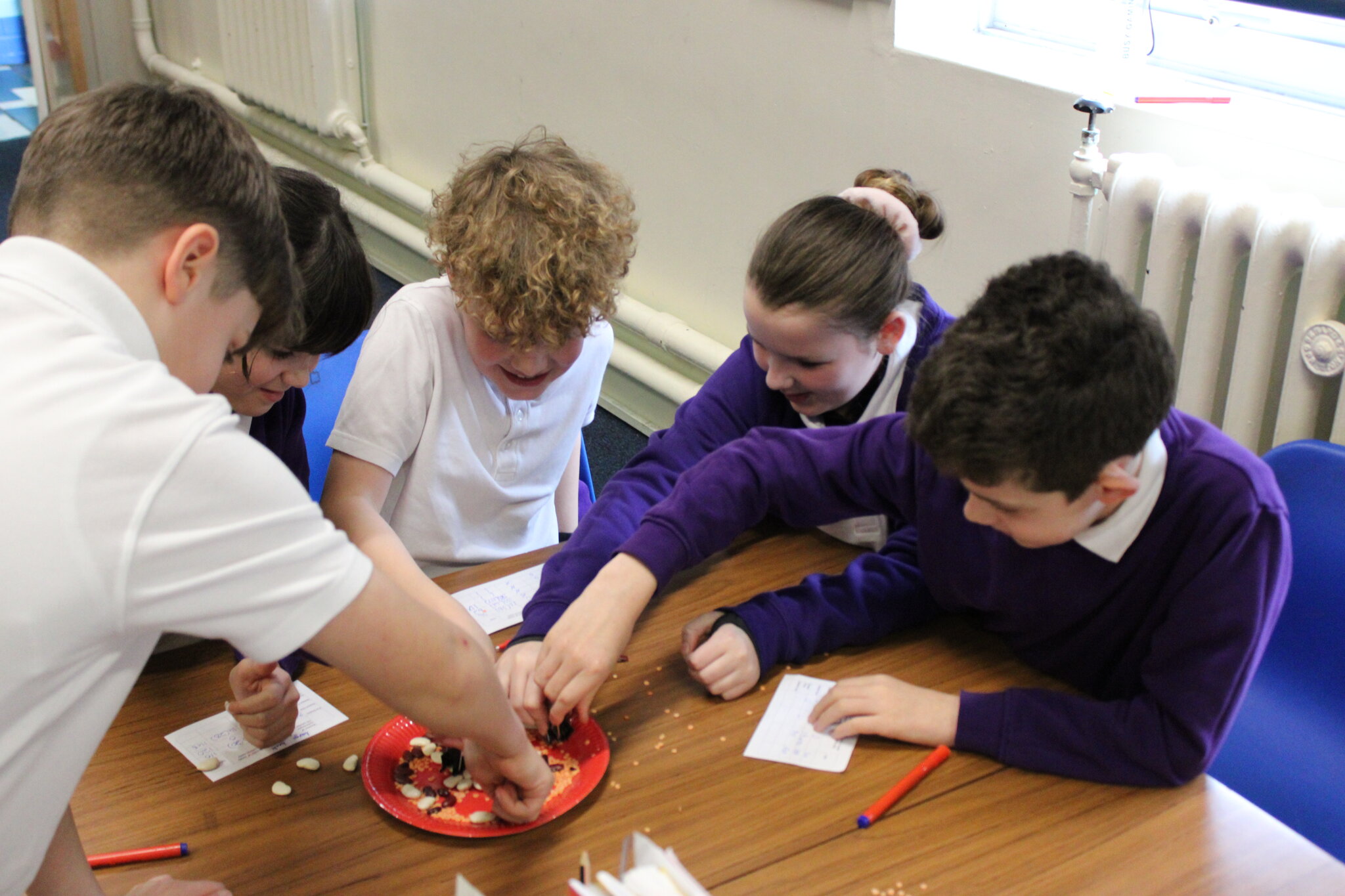
Year 6 – Exploring Natural Selection Through Galápagos Finches
This week, Year 6 have been learning about natural selection by modelling how animals adapt to their environment in order to survive. To explore this idea in a practical way, the children looked at the well‑known example of the Galápagos finches first studied by Charles Darwin.
The Galápagos Islands are home to several species of finches that appear quite similar, but each type has a different beak shape and size. These beak differences developed gradually over many generations as each finch species adapted to the food available on its island. For instance, finches with strong, thick beaks are better at cracking large, tough seeds, while finches with narrow, pointed beaks are more suited to picking up small seeds or catching insects.
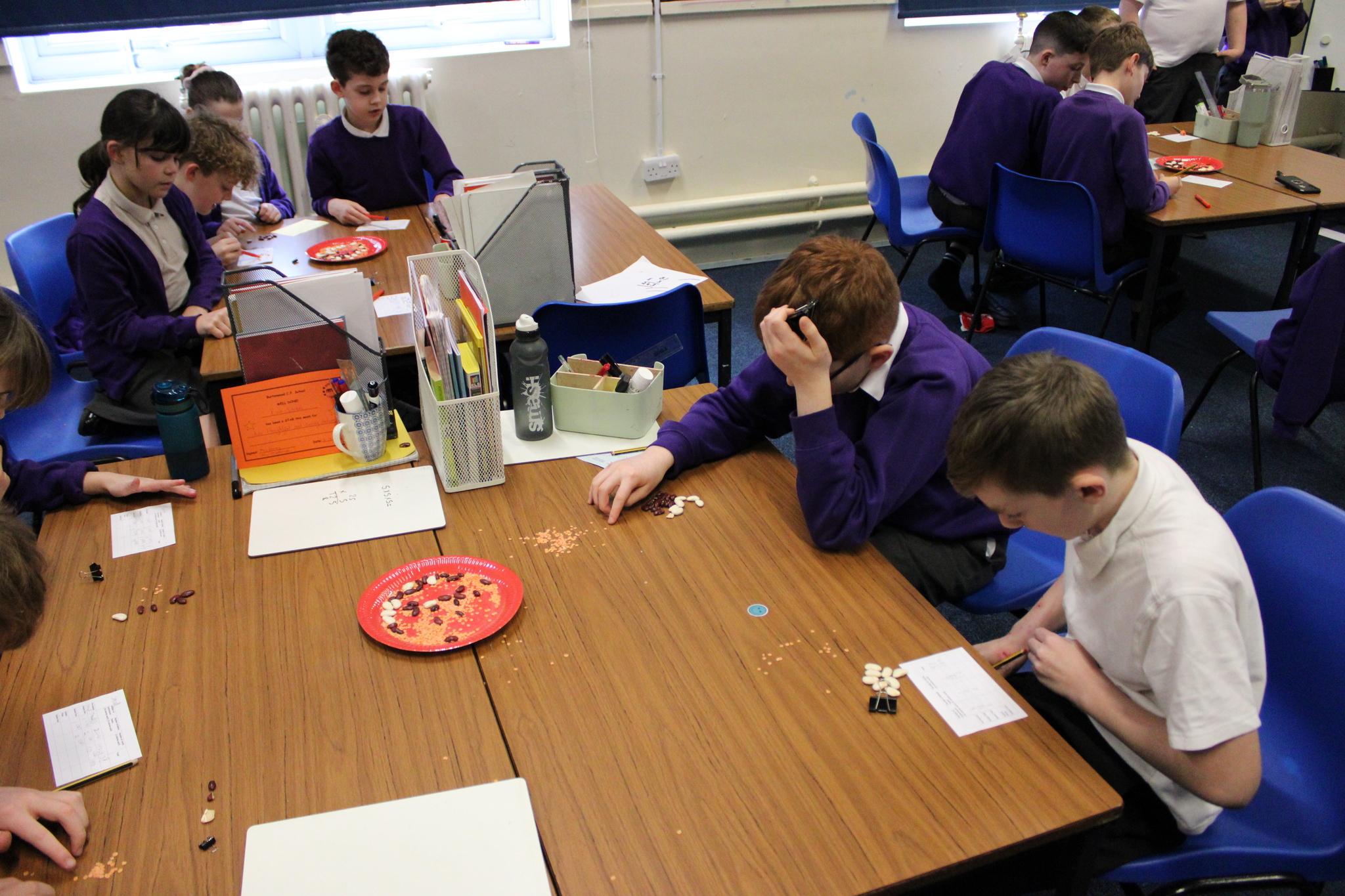
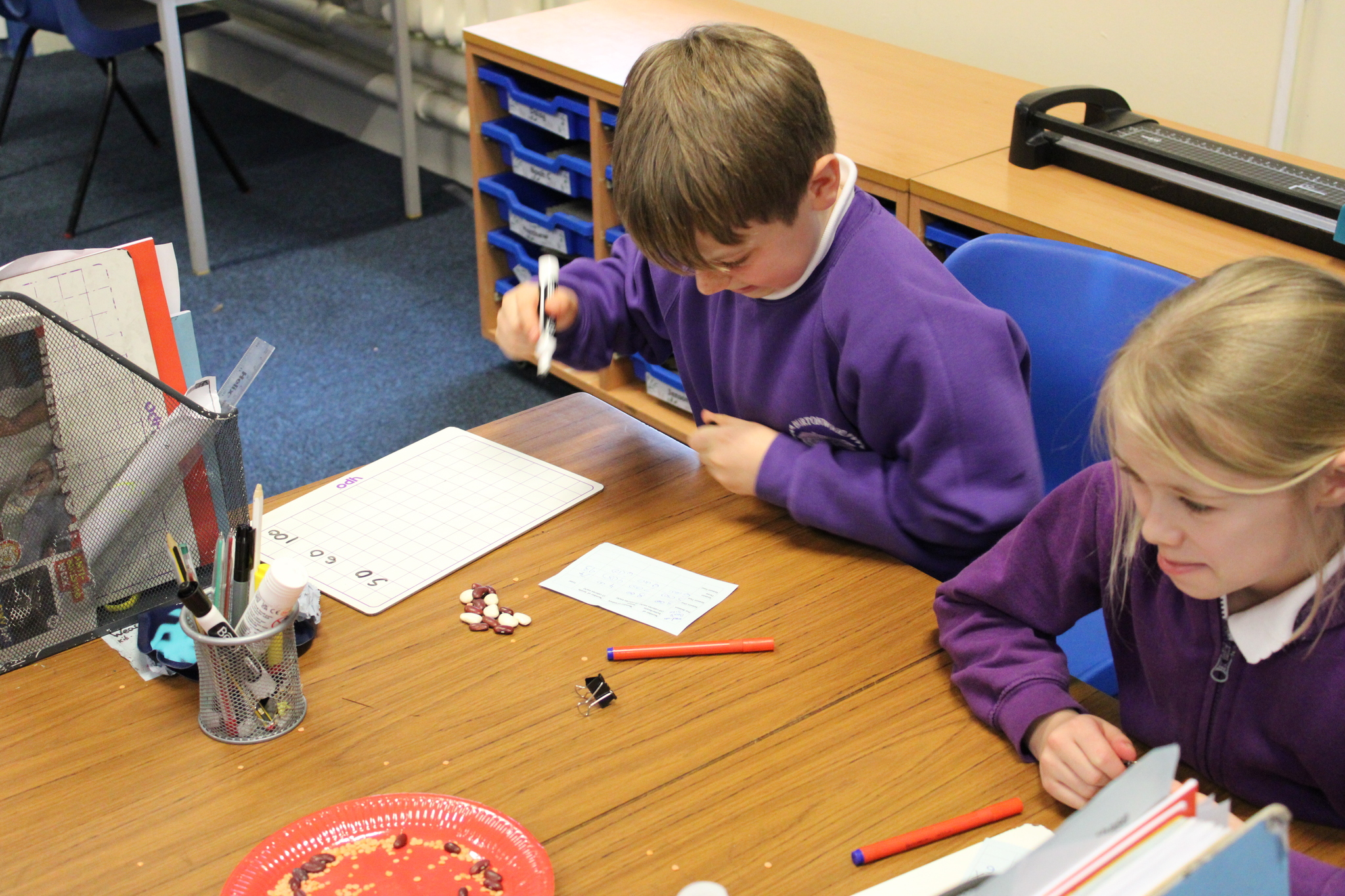
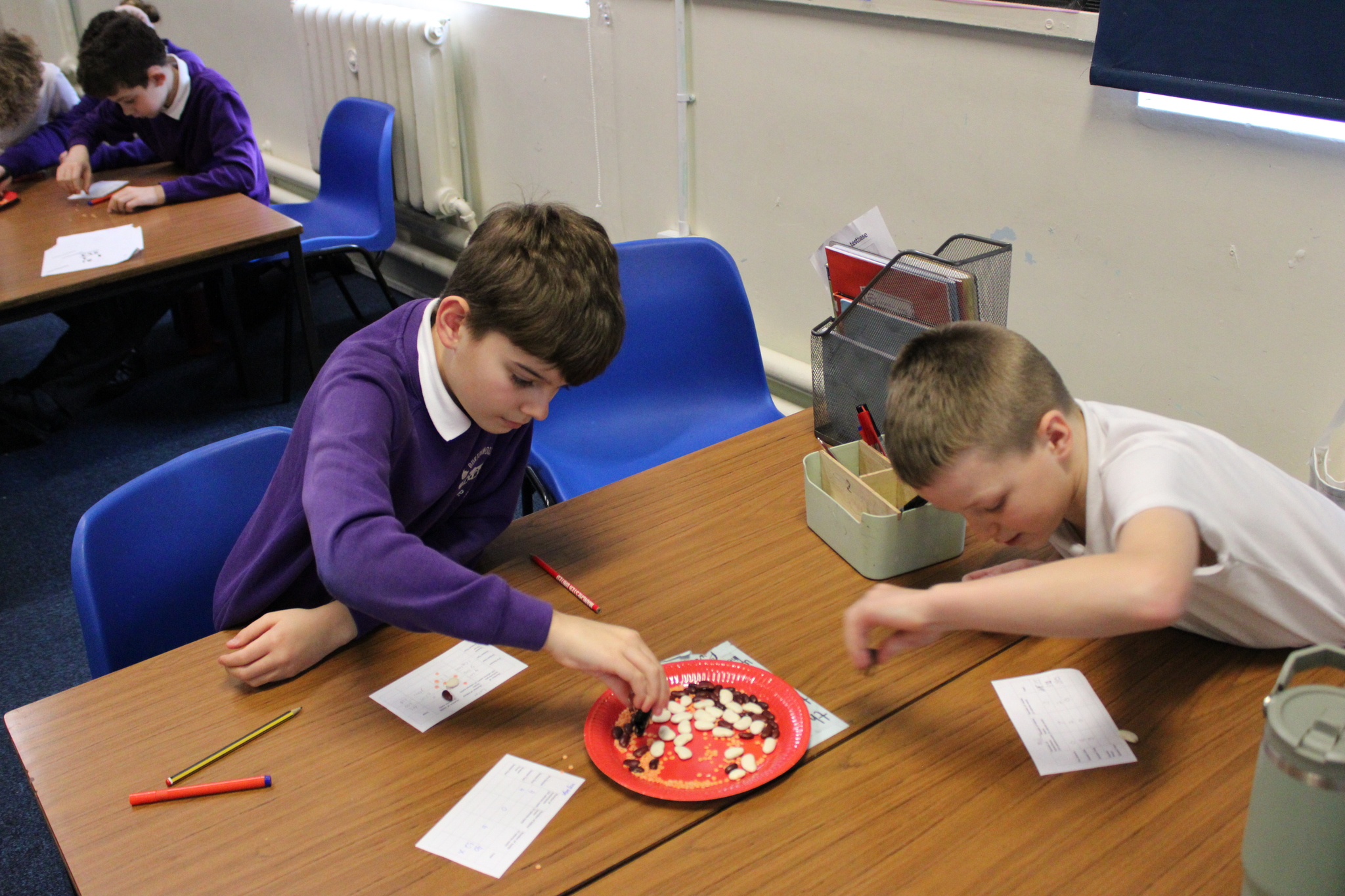
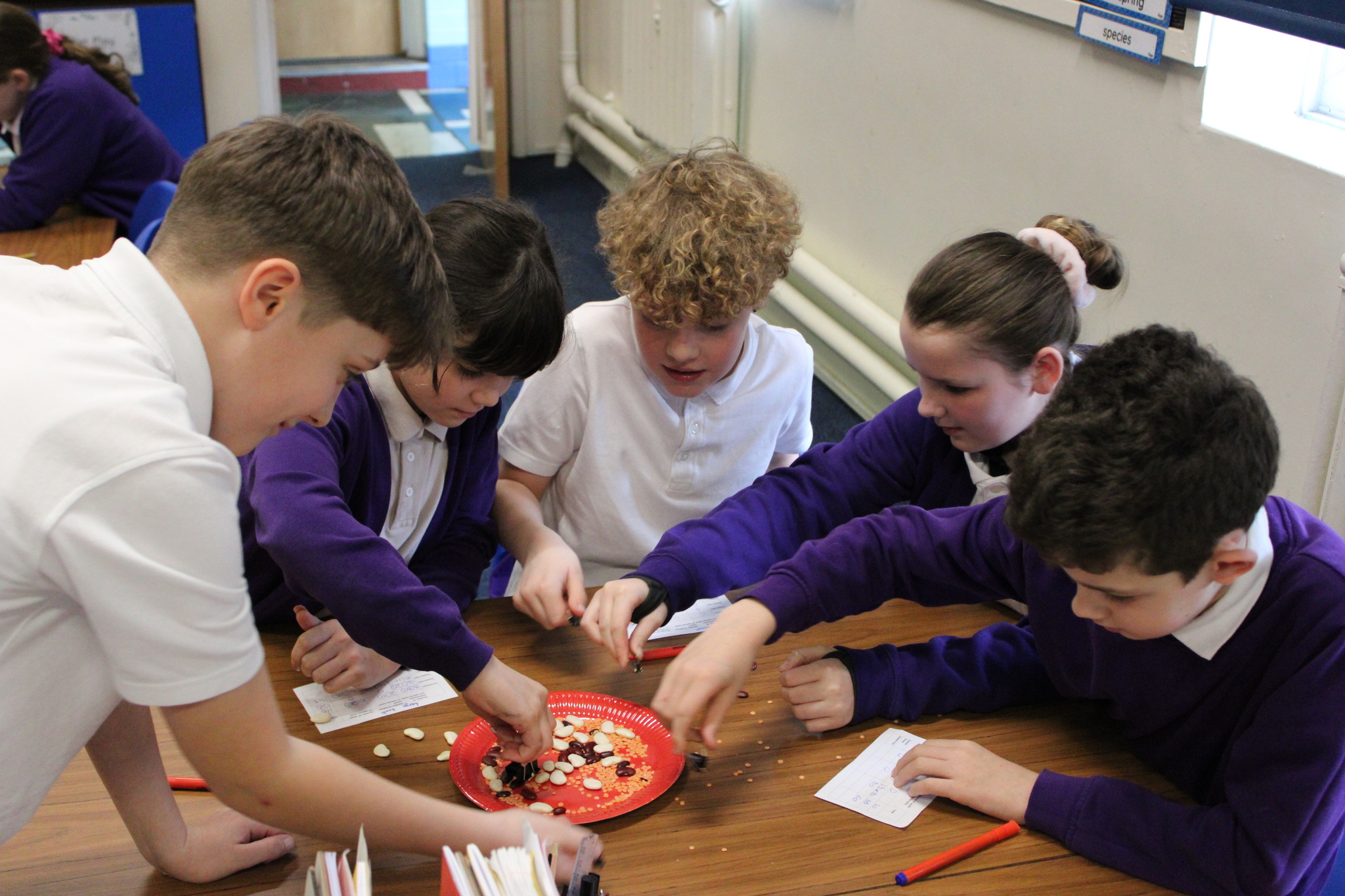
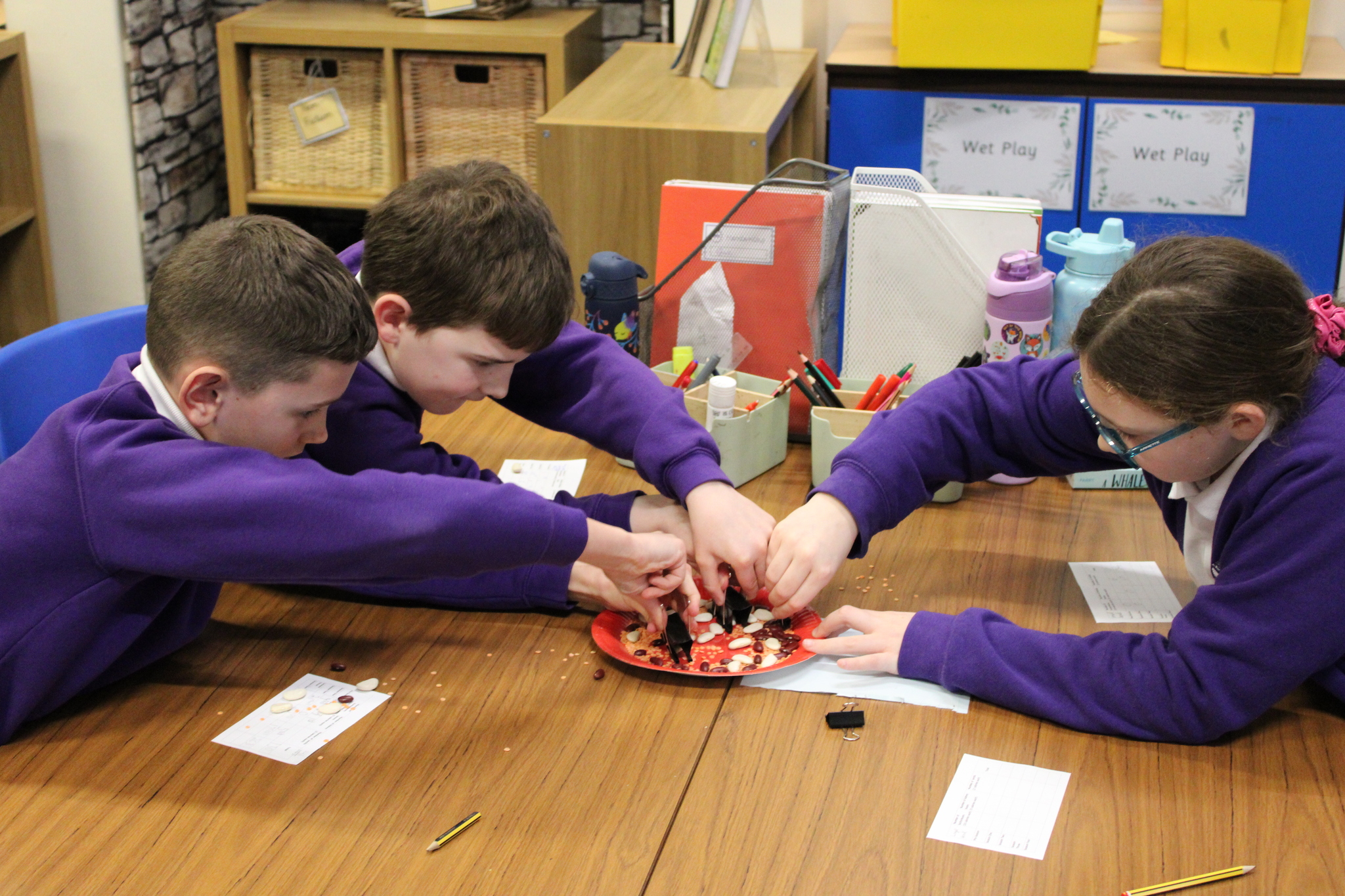
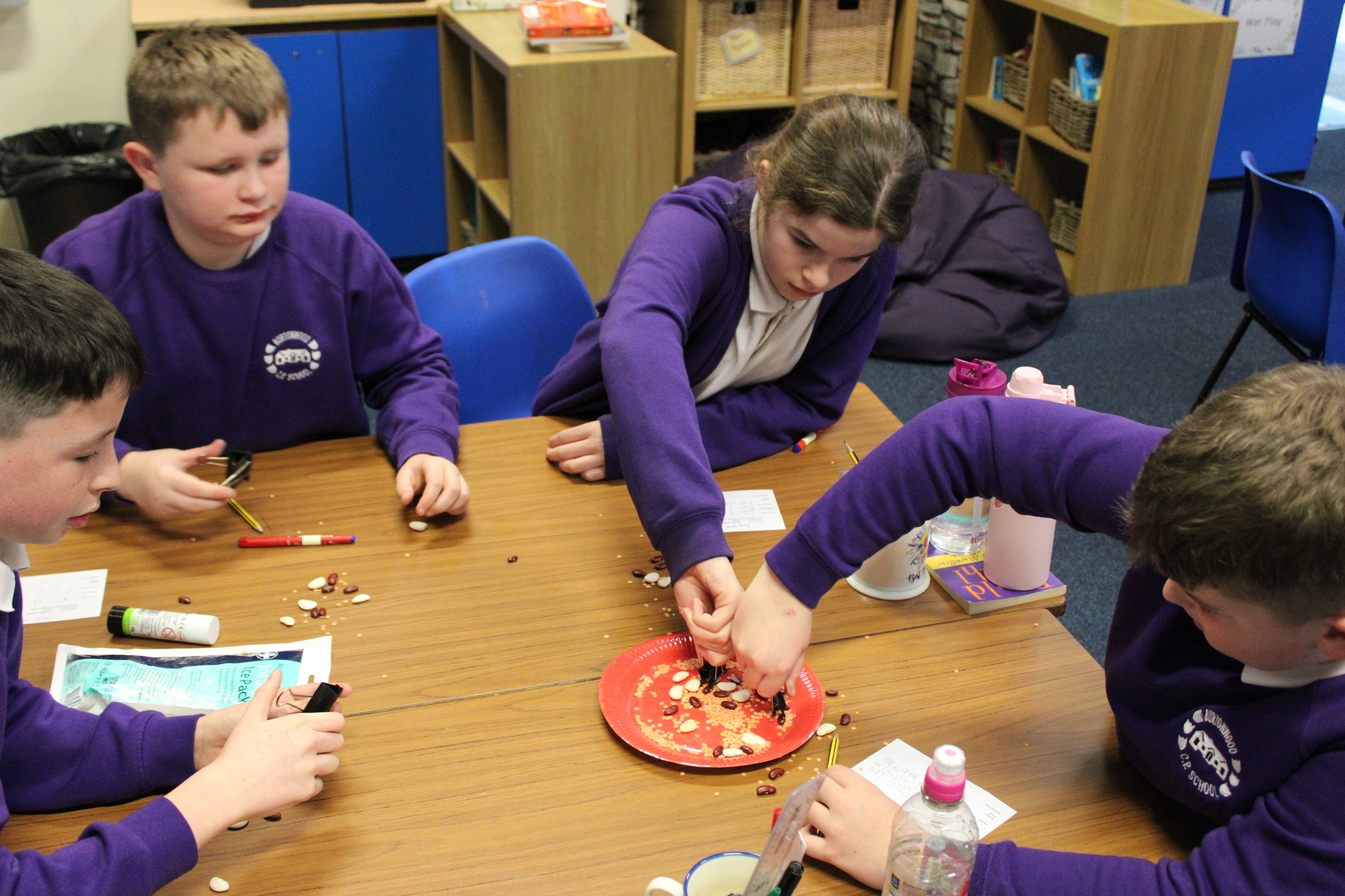
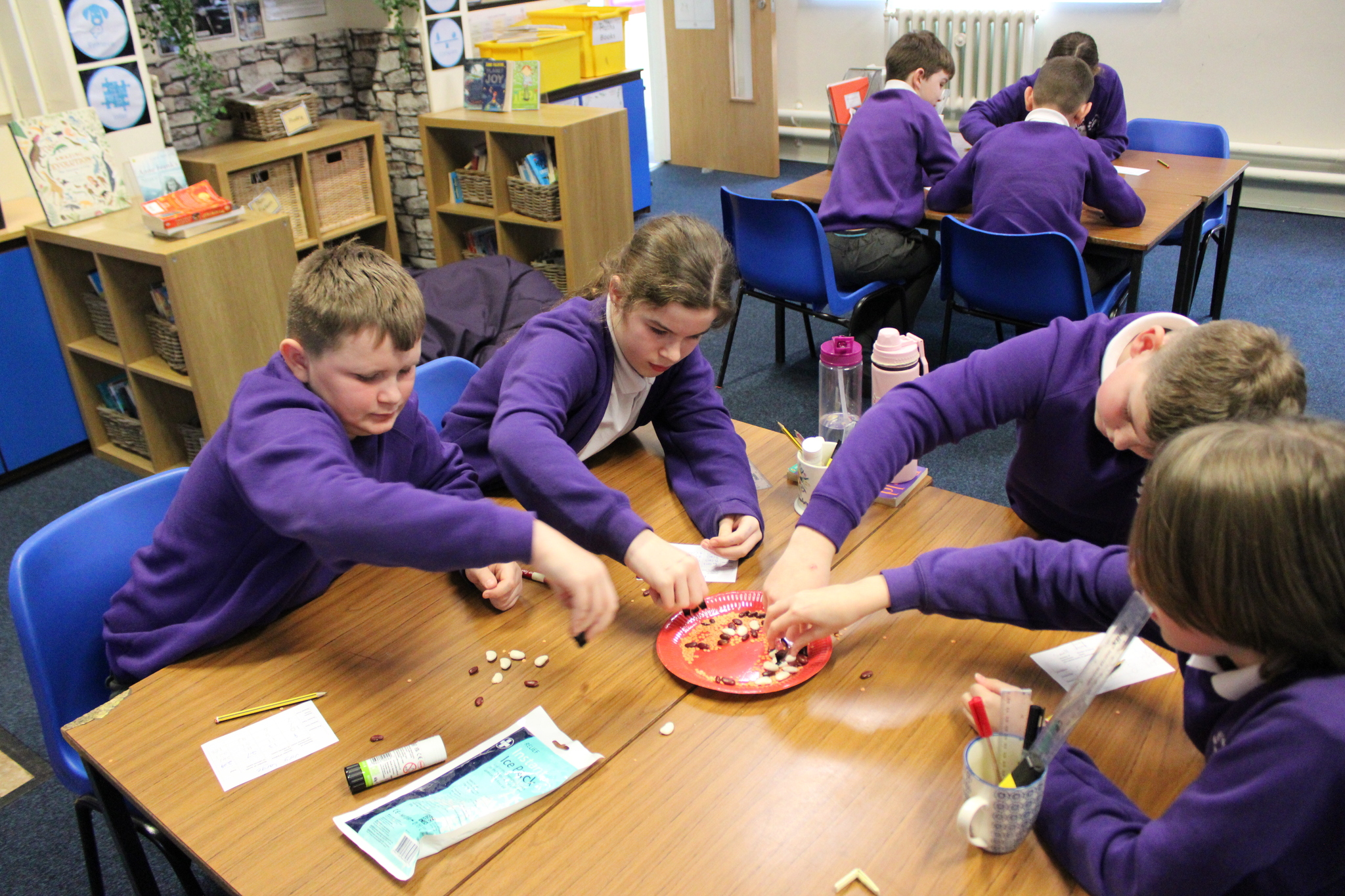
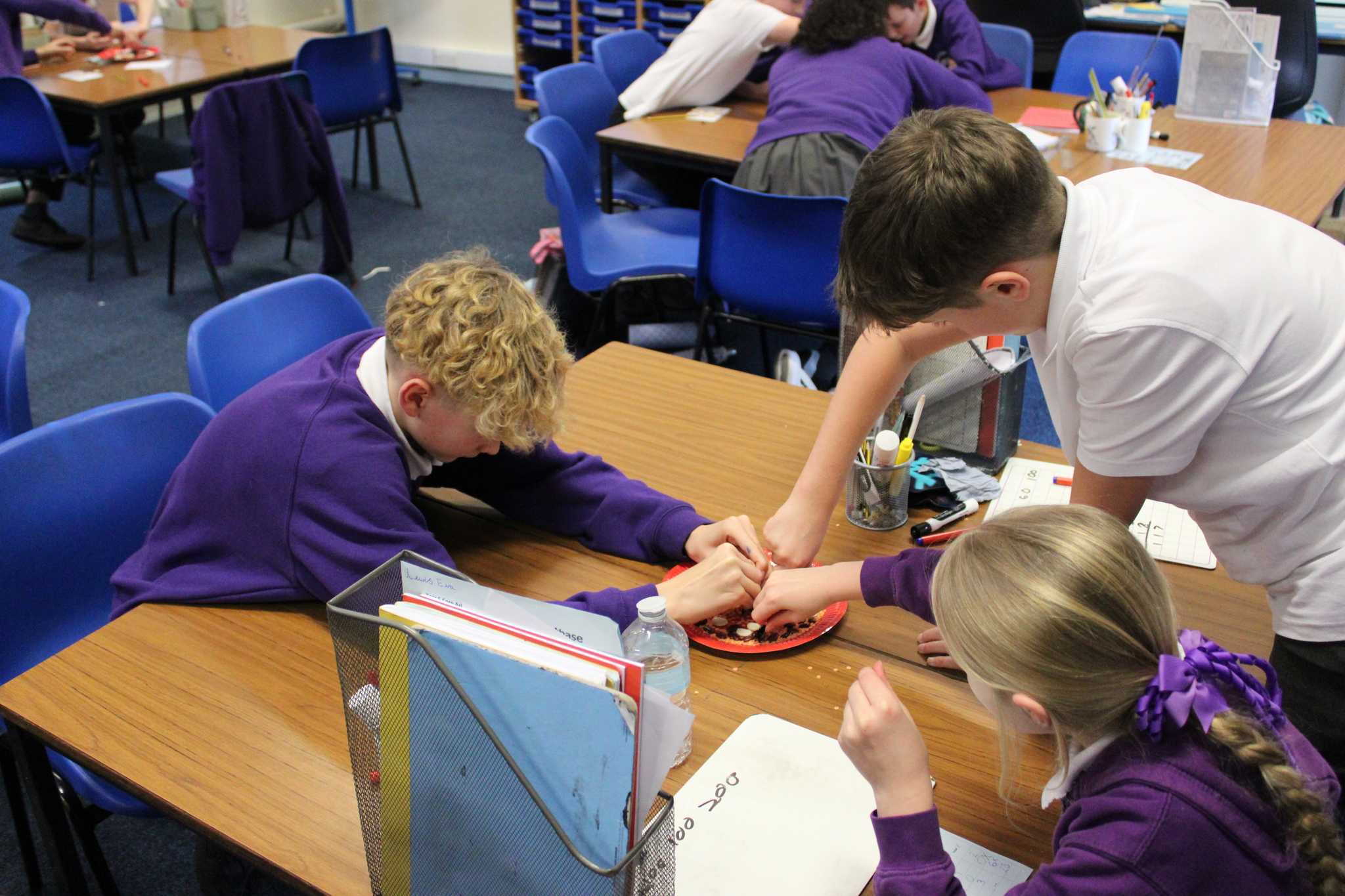
In class, pupils took part in an investigation using different sized tools to represent various beak shapes, along with different sizes of seeds. They discovered that some beak types were more effective for certain seeds than others. This helped them understand that:
- Animals that are well adapted to their environment have a better chance of surviving long enough to reproduce.
- These successful animals pass their helpful traits on to their offspring.
- Animals that are not well adapted may struggle to find food or survive, meaning their traits become less common over time.
Through this hands‑on activity, Year 6 developed a solid understanding of how natural selection works and how species can gradually change over many generations. It also helped them appreciate the diversity of living things and the importance of adaptation in the natural world.
Year 6 Science - Modelling Natural Selection